
Freelance Photography: Should You License Your Work or Work for Hire?
Freelance photography is one of the most rewarding yet challenging careers in the creative industry. It offers unparalleled freedom to pursue your artistic vision, travel to exciting locations, collaborate with diverse clients, and build a portfolio that reflects your unique style. However, this independence comes with significant responsibilities, particularly when it comes to understanding contracts, protecting your intellectual property, and negotiating fair terms.
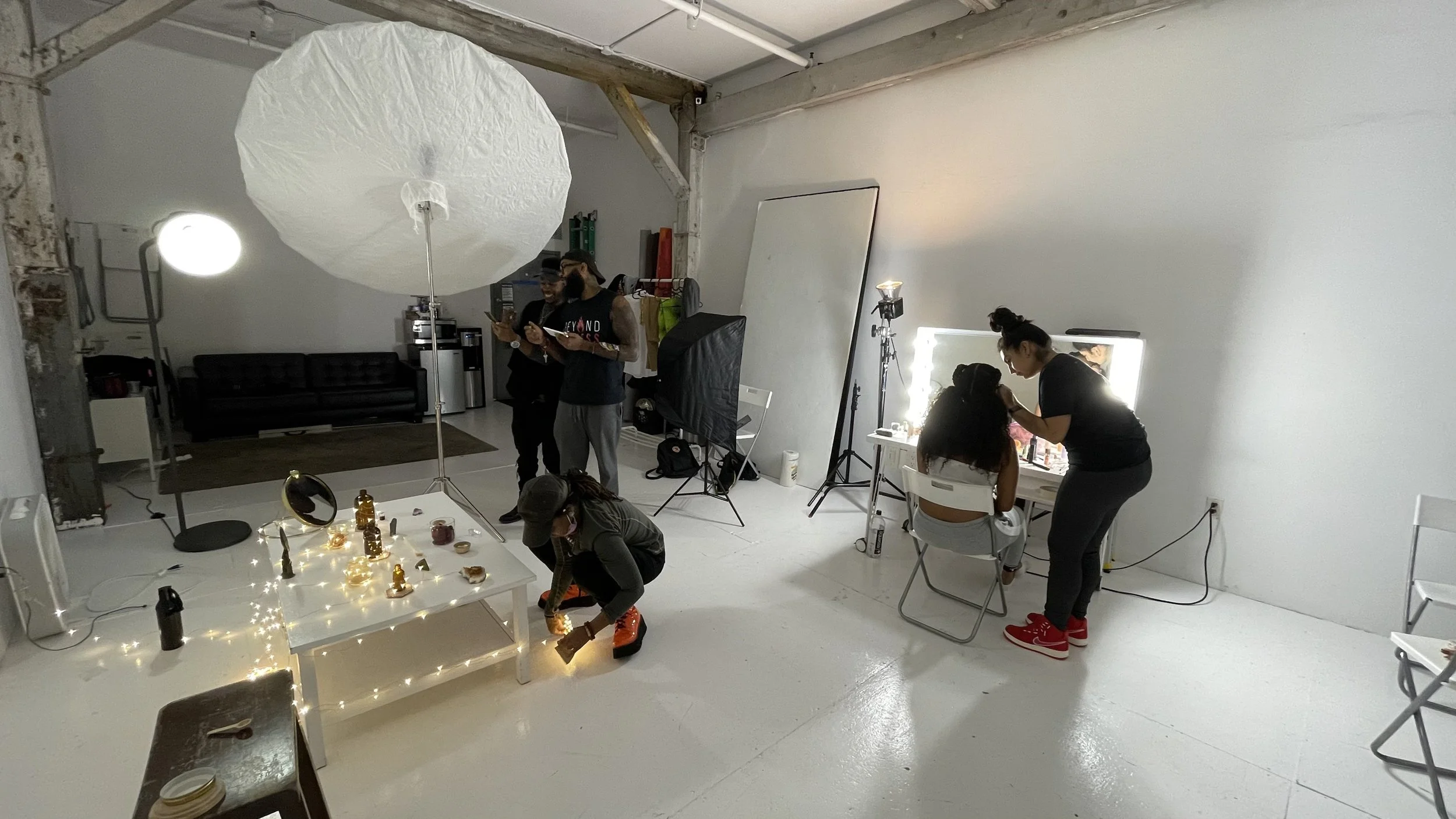
On set for studio shoot with a social media influencer and her team.
As the photography industry undergoes a rapid transformation, photographers encounter both unprecedented opportunities and intense competition. The rise of social media influencers, e-commerce demands, AI-generated imagery, and stock photo platforms have reshaped the landscape. However, this evolution has also led to challenges, such as many freelancers undervaluing their work and signing unfavorable contracts that restrict future earnings or relinquish rights entirely. A poorly negotiated agreement can result in significant financial losses, including thousands in lost licensing revenue, or expose photographers to legal risks.
This comprehensive guide, expanded for depth and practicality, delves into the critical distinctions between licensing and work-for-hire arrangements. It dissects common contract language, highlighting red flags, and offers negotiation strategies. Additionally, it provides actionable advice on preserving creative control. The guide also covers essential aspects such as model and property releases, pricing strategies for the upcoming 2025-2026 period, insurance, taxes, and building a sustainable freelance business. Whether you’re a wedding photographer, commercial shooter, editorial contributor, or stock specialist, mastering these elements is crucial for long-term success and profitability.
This month, MSGNetworks is featuring black-owned businesses in New York City.
— MSG Networks (@MSGNetworks) February 11, 2022
Melba's features Southern classics served in a retro setting that's relaxed & homey by day, bustling in the evening.
We visited this Harlem staple.
➡️ https://t.co/aJ6RNCxf2S
(📸 @IssaKhari) pic.twitter.com/RqbOtpjmyZ
Copyright Fundamentals Every Photographer Must Know
Before delving into contracts, it’s crucial to understand the foundational concept of copyright law. In the United States (and most countries that are signatories to the Berne Convention), you automatically own the copyright to any photograph you capture at the moment of creation—no registration is required. However, registering your work with the U.S. Copyright Office can enhance your legal protection.
Copyright grants exclusive rights to reproduce, distribute, display, and create derivatives of your work. As the owner, you control how, where, and by whom your images are used. This is your most valuable asset as a freelancer because it enables repeated monetization through licensing.
However, clients often seek to acquire these rights. They may do this via licensing (granting limited permissions while you retain ownership) or full transfer (work-for-hire or assignment). Misunderstanding this can lead to irreversible losses. For instance, many beginners sign "work for hire" clauses without realizing they forfeit all future income from those images.
The key takeaway is that you always own the copyright. Any deviation from this should be compensated accordingly.
Licensing: The Photographer's Preferred Model
Licensing is the gold standard for freelance photographers because it allows you to "rent" usage rights while retaining ownership. This model supports ongoing revenue—license the same image multiple times to different clients for varied purposes.
Types of Photography Licenses
Licenses vary by scope, duration, exclusivity, and medium. Common types include:
Rights-Managed (RM): Highly controlled and exclusive. The client pays based on specific usage (e.g., duration, geography, media type, circulation size). Ideal for high-value commercial work. Example: Licensing a corporate portrait for one-year use in North American print ads only.
Royalty-Free (RF): Client pays a one-time fee for broad, often unlimited non-exclusive use (with restrictions like no resale). Common in stock photography. Less lucrative per use but scalable for volume.
Exclusive vs. Non-Exclusive: Exclusive prevents you from licensing to competitors; non-exclusive allows multiple sales.
Limited vs. Unlimited/In Perpetuity: Limited specifies time (e.g., 1-5 years), territory, or medium. "In perpetuity" means forever—avoid unless heavily compensated.
Personal vs. Commercial Use: Personal (e.g., family prints) is narrow; commercial (advertising, products) commands higher fees.
Pricing Licensing
Pricing depends on usage scope. Base your creative fee (time, expenses, overhead) separately from the licensing fee (value of rights granted). Industry tools like fotoQuote or BlinkBid help calculate.
Examples for 2025-2026:
Basic social media license: $500–$2,000
National ad campaign (1 year): $5,000–$20,000+
Full buyout: 3–10x standard license
For weddings/portraits, many photographers license personal use while retaining commercial rights for marketing.
Real-World Licensing Scenarios
Consider a food photographer shooting for a restaurant. A limited license for menu/website use might cost $1,500. If the client wants unlimited commercial use, negotiate $5,000+. Stock photographers often use RF for passive income, earning royalties per download.
Editorial licensing (magazines/newspapers) is typically one-time, non-exclusive, with rates from $200–$1,000 per image.
Work-for-Hire: Proceed with Extreme Caution
Work-for-hire (WFH) transfers copyright ownership to the client from the very beginning. This applies under U.S. law if the contract explicitly states it and the work falls under qualifying categories, such as contributing to a collective work.
Pros: Simpler for clients; sometimes higher upfront pay. Cons: No future revenue; client can modify/sell images freely; you lose portfolio control.
Many professionals view WFH as antithetical to freelancing. Alternatives: Offer exclusive perpetual license (mimics ownership without transfer) or copyright assignment (you own initially, then transfer—for a higher fee).
When to accept WFH? Rarely—perhaps for lucrative corporate gigs where pay compensates (e.g., double/triple standard rate). Always negotiate removal first.
Decoding Contract Verbiage: Essential Terms and Red Flags
Contracts are dense, but certain phrases demand scrutiny. Always read fully; use your own template when possible.
Critical Terms
Work Made for Hire: Triggers full transfer. Red flag—negotiate out.
In Perpetuity/Perpetual: Unlimited duration. Push for time limits.
Worldwide/All Media: Broad territory/medium. Limit if possible.
Buyout/All Rights: Full rights transfer. Charge premium.
Exclusive: Blocks relicensing. Specify duration/scope.
Indemnification/Hold Harmless: You cover client's legal risks. Make mutual; limit to your fault.
No Publicity/Portfolio Restriction: Limits your marketing use. Negotiate exceptions.
Moral Rights Waiver: Allows derogatory modifications. Retain where possible.
Third-Party Sublicensing: Client can pass rights to others. Restrict.
Other concerns include vague payment terms, cancellation fees (compensation for canceling), expense reimbursement, and delivery timelines.
Red Flags in Client Contracts
No clear scope/deliverables
One-sided indemnification
Automatic renewal
No credit requirement
RAW file delivery demands
Use resources like ASMP templates for balanced language.
Negotiation Mastery: Strategies and Scripts
Negotiation is collaborative, not combative. Goal: Fair deal protecting your interests.
Preparation Steps
Research client/industry rates.
Calculate bottom line (expenses + desired profit).
Prioritize must-haves (e.g., retain copyright).
Tactics
Educate: Explain licensing benefits: "Licensing allows cost-effective use while I retain rights for future opportunities."
Offer Options: Tiered pricing—basic license $X, expanded $Y, buyout $Z.
Counter Red Flags: Redline contract; suggest alternatives.
Leverage Silence: After stating terms, wait.
Walk Away: Better no deal than bad one.
Sample Script: "I'm excited about the project! However, the work-for-hire clause isn't standard for freelancers. I'd propose a perpetual exclusive license instead, with adjusted fee of [higher amount]."
ASMP recommends understanding client psychology—many use boilerplate but are flexible.
Preserving Creative Control and Artistic Integrity
Creative control ensures your vision remains intact.
Include clauses for:
Final approval on edits
Credit attribution
Restrictions on alterations
Portfolio/self-promotion rights
"Artistic style" clause: "Photographer retains final creative decision on composition, editing, and delivery."
For weddings, clarify pose/style expectations upfront.
Beyond Contracts: Releases, Pricing, Insurance, and More
Model and Property Releases
Essential for commercial/stock use with recognizable people/property. Model release: Permission from subjects. Property release: From owners (buildings, pets, art).
Not needed for editorial or personal use. Use apps like Easy Release.
Pricing in 2025-2026
Rates vary by niche/location/experience:
Portraits/Headshots: $200–$800/session
Weddings: $2,000–$10,000+
Commercial day rate: $1,500–$5,000+
Stock: Royalties per download
Factor expenses: Gear, travel, editing, taxes (30%+ self-employment).
Insurance and Taxes
Carry liability/professional indemnity insurance. Track expenses; consult an accountant for deductions.
Building a Thriving Freelance Career
Diversify: Weddings + commercial + stock. Network via social media and agencies. Use contracts consistently. Build a portfolio website. Seek mentorship through ASMP/PPA.
Conclusion
Freelance photography requires a careful balance between business skills and artistic talent. To build a successful and rewarding career, it is essential to focus on several key areas. First, understanding and prioritizing licensing is crucial, as it ensures that you have the legal right to use and distribute your work. Second, meticulously reviewing contracts is vital to protect your interests and avoid potential disputes. This involves paying close attention to terms such as payment schedules, usage rights, and deliverables. Third, confidently negotiating terms with clients can lead to better deals and more favorable conditions, which is important for maintaining a sustainable business. Lastly, safeguarding your rights is imperative to prevent unauthorized use of your work and to ensure that you receive proper compensation. Organizations like ASMP.org offer valuable resources, including templates and advocacy support, which can assist you in navigating these aspects of freelance photography. By dedicating time to mastering these fundamentals, you will set a strong foundation for your career, ultimately benefiting both your professional and financial future.
Sources:
Here is a comprehensive list of key sources that informed the content, drawn from authoritative organizations like ASMP, legal resources, and industry guides:
Works for Hire: How Not to Get Bitten - ASMP
https://www.asmp.org/legal/works-hire-not-get-bittenPhotography Copyright & Licensing in Colorado - ASMP
https://www.asmp.org/colorado/photographer-copyright-coloradoWhat Photographers Need to Know About Copyright Law - Copyright Alliance
https://copyrightalliance.org/education/industry/photographersWhat Photographers Should Know about Copyright - U.S. Copyright Office
https://www.copyright.gov/engage/photographersNegotiation Techniques for Photographers - ASMP
https://www.asmp.org/current-news/negotiation-techniques-for-photographers-four-dos-and-three-dontsWorking with an Assignment Photographer (PDF Guide) - ASMP
https://www.asmp.org/wp-content/uploads/2016/04/assignment_photography_guide.pdfNegotiation Tips for Freelance Photographers - PhotoShelter
https://go.photoshelter.com/photographers/blog/negotiation-tips-for-freelance-photographersBad Contract Tutorial - ASMP Colorado
https://asmpcolorado.org/tutorials/bad-contract.htmlPhoto Licensing 101: The Basics Explained - A Photo Editor
https://apalmanac.com/business/photo-licensing-101-the-basics-explained-176320Why Commercial Photographers Should Approach Work-for-Hire with Caution - The Image Crafters
https://theimagecrafters.com/why-commercial-photographers-should-approach-work-for-hire-and-full-buyout-shoots-with-extreme-cautionThe Ultimate Guide to Model and Property Releases - Xpiks Blog
https://xpiksapp.com/blog/model-releaseWhy You Need Model Releases and Property Releases - iStock
https://www.istockphoto.com/blog/best-practices/copyright-licensing/why-you-need-model-releases-and-property-releasesWhat Should Photographers Charge in 2025? - Kevin Titus Photo
https://kevintitusphoto.com/blog/how-much-should-a-photographer-chargeHow Much to Charge for Product Photography in 2025 - Zno Cloud
https://cloudblog.zno.com/product-photography-pricing-2025-guide.htmlAOP Usage Calculator for Photographers - Association of Photographers
https://www.the-aop.org/information/usage-calculator
